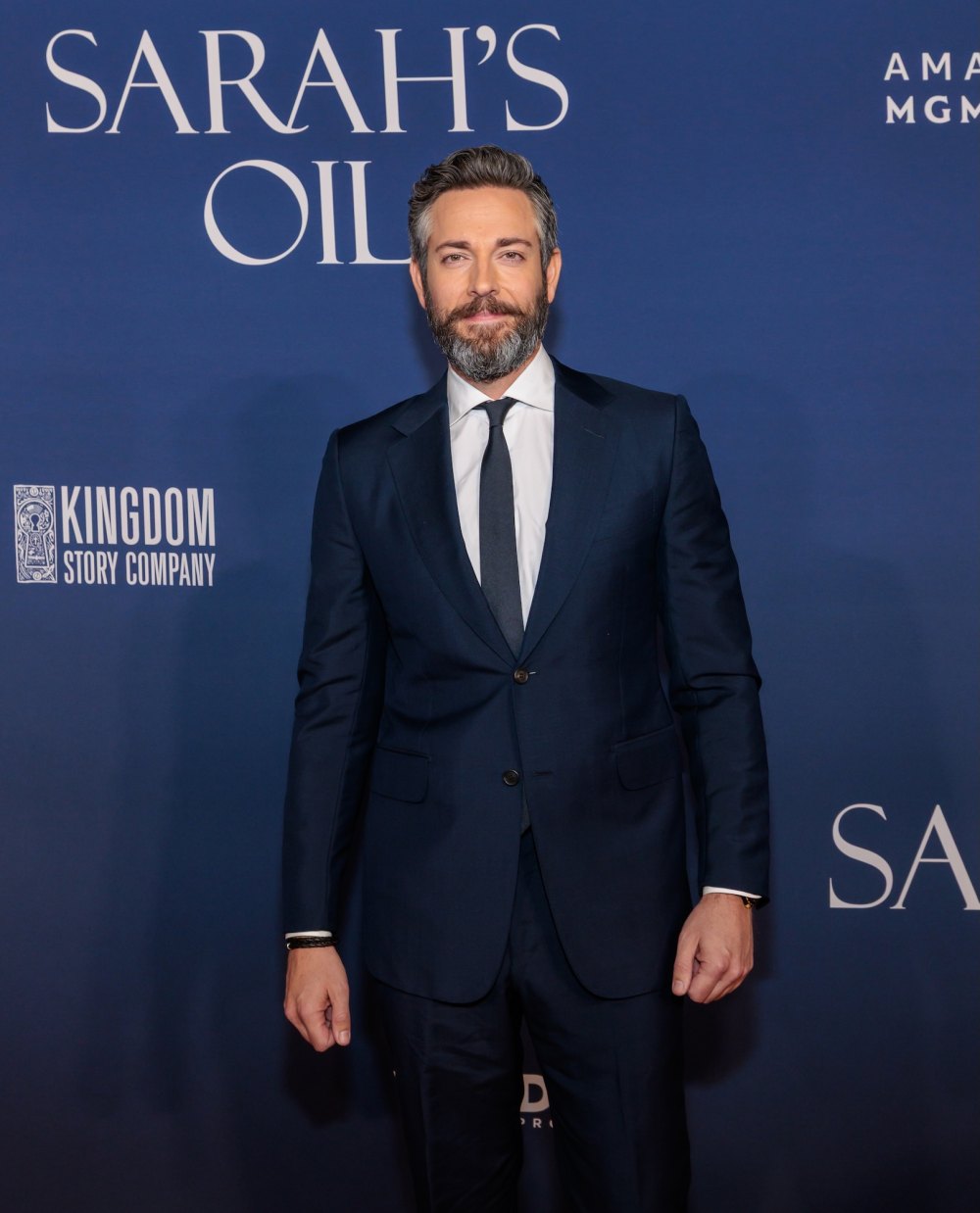
A dinner meant for glitz, political satire, and red carpet glamour turned into a scene of terror when gunfire erupted near the White House Correspondents’ Dinner. Among the stunned guests was actor Zachary Levi, best known for his role as Shazam, who found himself in the middle of a rapidly unfolding crisis. What was supposed to be a night of celebration quickly devolved into confusion, fear, and survival instincts. Levi, seated deep inside the ballroom, offered one of the most vivid firsthand accounts of the commotion, shedding light on how close the entertainment and political elite came to tragedy.
The Night That Turned Violent
The White House Correspondents’ Dinner has long been a hallmark event—where journalists, politicians, and celebrities mingle in an atmosphere of semi-formal levity. Cameras flash, jokes land (or miss), and social media buzzes with fashion critiques and punchline breakdowns. But this year, the tone shifted in seconds.
Zachary Levi arrived expecting the usual cocktail of performances and speeches. He was seated near the middle of the ballroom, close enough to the stage to catch the comedian’s timing, far enough from exits to feel insulated from the outside world.
That insulation shattered when a series of loud pops echoed through the hall. At first, many assumed it was part of the entertainment—a dramatic sound cue, a pyrotechnic misfire. But within moments, the rhythm of panic took over. Waiters froze. Heads swiveled. Conversations stopped.
“It didn’t sound fake,” Levi later told a reporter outside the venue. “I’ve been on enough film sets with blanks and squibs to know the difference. These were sharp, isolated—like real gunfire.”
Inside the Ballroom: Levi’s Account of the Panic
As confusion rippled through the crowd, Levi said he noticed security reacting first. “They didn’t run—they moved. Purposeful, urgent. That’s when I knew something was wrong.”
He described a slow-motion surge of movement as people began to stand, some still unaware of the threat. A woman in an elaborate gown dropped her clutch trying to stand too quickly. A senator’s aide shouted into a radio. Waitstaff began ushering people toward interior corridors.
Levi didn’t immediately flee. Instead, he paused to help a woman—who turned out to be a reporter from PBS—get under a table. “You don’t think about heroism in the moment,” he said. “You just react. I wasn’t thinking, ‘Oh, I’m Shazam.’ I was thinking, ‘How do we get safe?’”
Another guest confirmed seeing Levi crouched near a banquet table, shielding someone with his body as hotel staff began herding attendees into a prep kitchen behind the ballroom. “He wasn’t yelling, wasn’t screaming,” the source said. “He was calm. Like he’d been through something like this before.”
That’s not far from the truth. Levi, a trained actor in action roles, has undergone firearms safety workshops, stunt coordination briefings, and crisis response drills for film sets. “You learn how to assess threat levels, where cover is, how to move quietly,” he explained. “None of it prepares you emotionally. But it helps physically.”
How the Event Unfolded in Real Time
According to eyewitnesses and law enforcement briefings, the shooting occurred just after 9:30 PM, outside the main ballroom of the Washington Hilton. A lone gunman, later identified as a disgruntled former government contractor, opened fire on arriving guests near the South Terrace entrance.
Initial reports described three shots. Ballistics later confirmed five. One bullet pierced a side window of the ballroom, shattering glass near Table 12—where several network anchors were seated. No guests were struck, but two security personnel sustained non-life-threatening injuries.
Inside, communication was spotty. Cell service dropped due to network overload. The PA system, still playing soft jazz, didn’t issue an alert. That left attendees to interpret the situation based on body language, movement, and rumor.
Levi recalled hearing someone shout, “Active shooter!” but couldn’t tell where it came from. “People started whispering it like a chant. Then it became louder. That’s when the stampede almost started.”
Security quickly imposed order, directing guests away from exits near the gunfire and into secure interior zones. The ballroom emptied in under four minutes.
Celebrity Reactions and the Role of Public Figures in Crisis
In the aftermath, many attendees—especially celebrities—faced scrutiny. Some were criticized for posting to social media before evacuating. Others were praised for aiding evacuations.
Levi fell into the latter category. Video footage later surfaced showing him helping an elderly guest down a narrow service stairwell, one hand on the wall, the other guiding the person’s elbow. “He wasn’t in a rush for himself,” said a CNN producer who was nearby. “He kept checking behind him to make sure others were coming.”
This isn’t the first time a high-profile actor has been caught in real-life danger. Tom Hanks was in New York on 9/11. Gal Gadot was in Israel during missile alerts. But such moments test the line between public persona and private person.
Levi, who has spoken openly about mental health and anxiety, said the incident triggered a wave of PTSD-like symptoms. “I kept hearing the sound in my head. Over and over. It wasn’t just fear—it was helplessness. You want to do something, but you’re stuck.”
Yet in this case, he did do something. And in doing so, he stepped beyond the role of entertainer and into that of a witness, protector, and storyteller.
Media Coverage and the Challenge of Telling the Truth
In the hours following the incident, Levi was approached by multiple news outlets. He gave a brief statement to ABC News, then declined further interviews. “I didn’t want to sensationalize it,” he said. “This wasn’t a movie. People were scared. Real people.”
Still, his account became a key narrative thread in early reporting. Because he was both a credible observer and a calm communicator, journalists leaned on his description of events to reconstruct the timeline.
However, discrepancies emerged. Some guests claimed the lights never went out. Levi remembered them flickering. Others said the gunfire was muffled. He insisted it was jarringly loud.
These contradictions are normal in high-stress situations. The brain processes trauma in fragments. But they also highlight a broader issue: how eyewitness testimony from celebrities can shape public understanding—sometimes inaccurately.
Levi acknowledged this. “I’m not a cop. I’m not a journalist. I’m someone who was there. I’ll tell you what I saw, what I felt. But I can’t guarantee it’s the full picture.”
Why Levi’s Testimony Matters
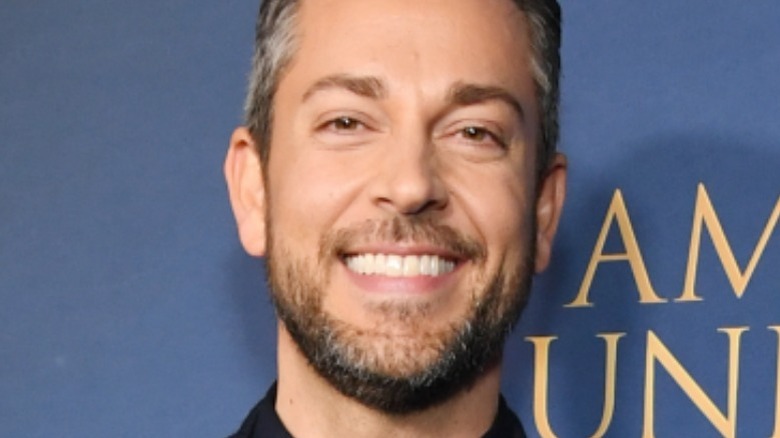
In an age of misinformation and instant takes, firsthand accounts from trusted public figures carry weight. Levi, known for his boyish charm and advocacy work, doesn’t have a reputation for exaggeration. That credibility gives his recollections more impact.
His description of the ballroom’s descent into silence after the first shot—“like a held breath”—was repeated in multiple news reports. His detail about the jazz still playing became a symbolic image of normalcy interrupted.
Moreover, Levi’s experience underscores a growing reality: high-profile events are no longer insulated from violence. The WHCD, once seen as a safe, ceremonial gathering, is now under renewed security review.
His account may influence future safety protocols. Event planners are now reconsidering evacuation routes, communication systems, and guest training—even for non-security personnel.
Lessons from the Chaos
What can ordinary people take from Levi’s experience?
- Stay aware, not paranoid. Levi wasn’t scanning for threats—he was present. He noticed security behavior, sound quality, and crowd dynamics. Awareness isn’t about fear; it’s about observation.
- Have a mental exit plan. When you enter a public space, note two exits. Levi didn’t need them, but he knew where the service doors were. That knowledge helped him guide others.
- Help when you can. In crises, people freeze or flee. Levi did neither. He assessed, then acted. You don’t need to be a hero—just helpful.
- Don’t rush to speak. Levi waited to give interviews. Trauma needs time. Public figures, especially, should resist the pressure to comment instantly.
- Trust your instincts. He trusted his gut when the pops didn’t sound like blanks. That split-second judgment may have saved time for others.
Closing: From Witness to Advocate
Zachary Levi didn’t seek the spotlight in the aftermath of the WHCD shooting. But by sharing his story with clarity and humility, he stepped into a role bigger than acting. He became a voice for preparedness, for empathy, and for the quiet courage of ordinary people in extraordinary moments.
His experience is a reminder: danger doesn’t discriminate. It doesn’t care if you’re a superhero on screen. But how you respond—whether with panic or presence—can make all the difference.
For those attending large public events, the lesson is clear: be present, stay alert, and know that even in chaos, calm actions matter. And if you find yourself in the middle of a crisis, remember Zachary Levi not as Shazam—but as someone who helped others when the lights went dim.
FAQ
What was Zachary Levi doing at the WHCD? Levi attended as a guest, invited through his work with media organizations and advocacy groups. He was not part of the official program.
Did Zachary Levi see the shooter? No. Levi did not see the gunman. His account is based on sound, reactions, and movement inside the ballroom.
Was anyone injured inside the ballroom? No guests were injured inside the ballroom. Two security personnel were wounded outside.
How did Zachary Levi help during the incident? He assisted a journalist in taking cover, guided an elderly guest during evacuation, and remained calm to prevent panic.
Has Zachary Levi spoken about the event since? He gave one on-camera interview and has referenced the experience in discussions about mental health and public safety.
Did the WHCD continue after the shooting? No. The event was immediately suspended. No performances or speeches continued.
Is there video of Zachary Levi during the chaos? Limited footage exists, mostly from hotel security and guest phones. One clip shows him assisting someone in a stairwell.
FAQ
What should you look for in Zachary Levi Recalls Chaos During WHCD Shooting? Focus on relevance, practical value, and how well the solution matches real user intent.
Is Zachary Levi Recalls Chaos During WHCD Shooting suitable for beginners? That depends on the workflow, but a clear step-by-step approach usually makes it easier to start.
How do you compare options around Zachary Levi Recalls Chaos During WHCD Shooting? Compare features, trust signals, limitations, pricing, and ease of implementation.
What mistakes should you avoid? Avoid generic choices, weak validation, and decisions based only on marketing claims.
What is the next best step? Shortlist the most relevant options, validate them quickly, and refine from real-world results.