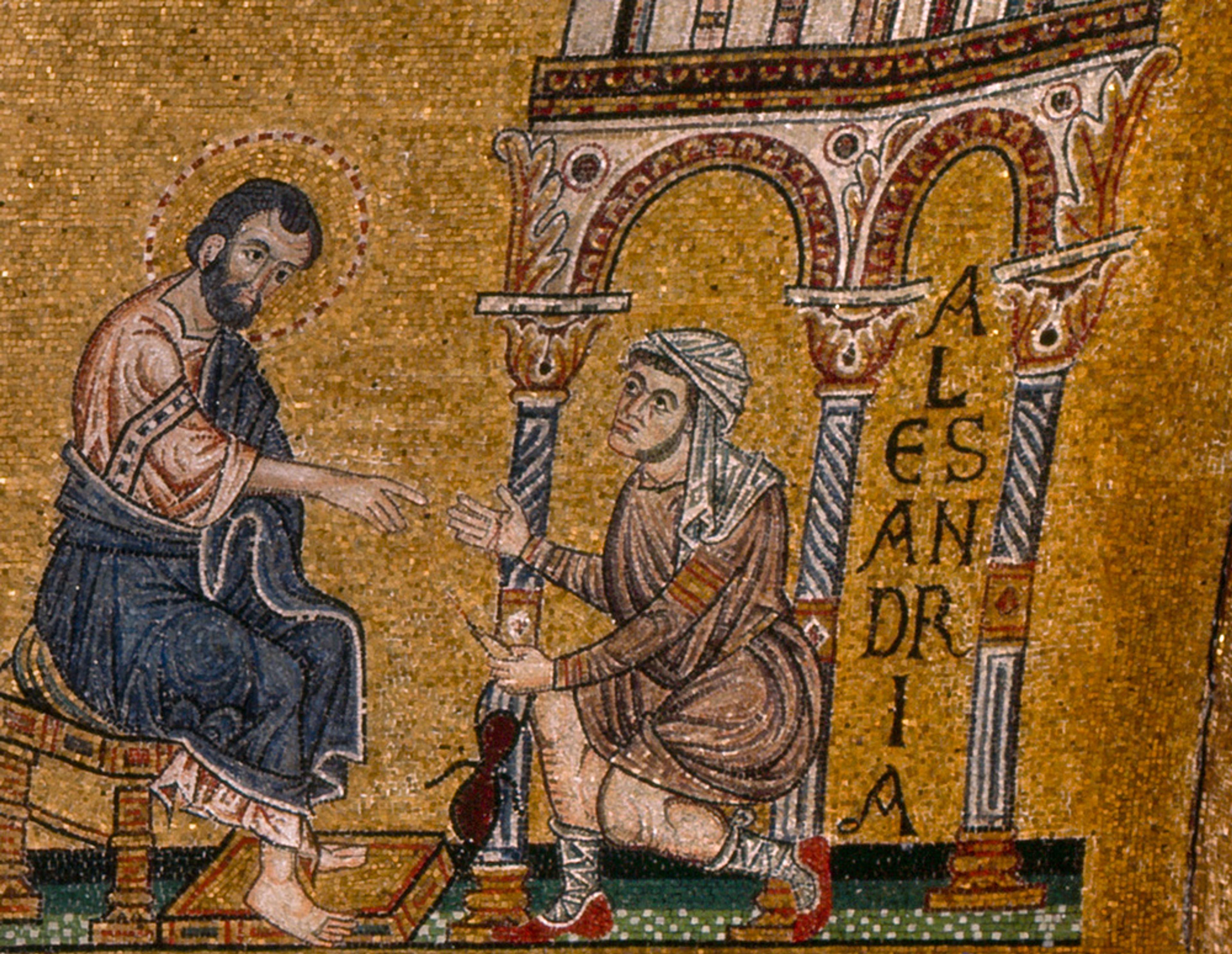
The human body in medieval art was never merely flesh. It was a vessel of divine will, a mirror of social order, and a canvas for political control. From emaciated martyrs to crowned kings bearing Christ-like features, the body in these works wasn’t depicted for realism—it was engineered to communicate doctrine, enforce hierarchy, and legitimize power.
This wasn’t art for aesthetics. It was theology made visible—and politics made physical.
While modern eyes might see stiff figures and symbolic exaggerations as primitive, they were in fact highly calculated expressions of a world where the spiritual and the corporeal were inseparable. To understand medieval art is to recognize that every limb, wound, posture, and gesture carried weight far beyond anatomy.
The Body as Divine Interface
In the medieval worldview, the physical body was not separate from the soul—it was its temporary home, its instrument, and its battleground. This fusion of the spiritual and corporeal shaped how bodies were represented in art, especially in religious contexts.
Christ’s body, for example, was the ultimate theological statement. Crucifixion scenes didn’t aim to shock for dramatic effect—they served as devotional tools, reminding viewers of sacrifice, redemption, and divine suffering. But over time, the portrayal evolved from the triumphant, regal Christus Triumphans (Christ victorious) of early medieval art to the agonized, bleeding Christus Patiens (Christ suffering) of the Romanesque and Gothic periods.
This shift wasn’t artistic whim—it reflected changing theological emphases. As scholasticism grew and mysticism deepened, the focus turned to Christ’s humanity. His wounds became “The Five Holy Wounds,” objects of meditation. St. Bernard of Clairvaux and later mystics like Juliana of Liège promoted devotion to the Sacred Heart, further embedding the body as a site of divine intimacy.
Example: The Gero Crucifix (c. 970, Cologne Cathedral) is one of the first life-sized depictions of a suffering Christ. Its swollen face and sagging torso shocked contemporaries. But for viewers trained in affective piety, it was an invitation to empathize—to feel Christ’s pain in their own bodies.
Monastic art echoed this. Illuminated manuscripts like the Book of Kells or the Lindisfarne Gospels often show evangelists with distorted proportions—not because artists couldn’t draw accurately, but because their bodies were secondary to their spiritual function. The eyes might be enlarged to signify divine insight; hands exaggerated to emphasize writing the Word.
Martyrdom and the Sanctified Body
If Christ’s body set the template, the martyrs’ bodies extended it. Their deaths weren’t tragedies—they were triumphs. And their bodies in art became proof of faith.
Martyrdom scenes frequently highlight the body’s transformation through suffering. St. Lawrence, roasted on a gridiron, is often shown smiling. St. Sebastian, pierced by arrows, gazes upward in ecstasy. These aren’t naturalistic reactions. They’re theological claims: the body, when offered to God, transcends pain.
But there’s a political layer. Martyrs were often depicted with idealized, almost classical bodies—toned, youthful, serene—despite their violent ends. This wasn’t about realism. It was about elevating them above the earthly realm and aligning them with divine perfection.
Churches displayed relics—bones, teeth, fragments of clothing—as physical extensions of this sanctified body. Pilgrims traveled for weeks to touch a sliver of St. Thomas Becket’s skull or a vial of St. Catherine’s blood. The body, even in death, remained active—working miracles, enforcing orthodoxy, attracting wealth and pilgrims.
Practical consequence: Relics gave local churches power. A town with a saint’s arm wasn’t just spiritually significant—it was economically advantaged. Art depicting the martyr’s death wasn’t just devotional; it was promotional, reinforcing the relic’s authenticity and importance.
Royal Bodies as Sacred Instruments

Kings weren’t just political figures—they were God’s deputies. Their bodies carried semi-sacred status, a concept known as the “king’s two bodies”: the mortal flesh and the immortal office.
Medieval art reinforced this. Coronation scenes, like those in the Biblia Latina or the Psalter of Saint Louis, show kings being anointed, their bodies touched by divine grace. The act of anointing—using holy oil—was believed to imbue the ruler with sacred power. Once consecrated, their body became inviolable. To attack the king was to attack God.
This theology justified absolute rule. Portraits of rulers often borrow Christ’s iconography: haloed, frontal, seated on a throne like Christ in Majesty. Charlemagne, crowned by the Pope in 800, was later depicted with flowing robes and a commanding gaze, echoing Byzantine Christ images.
Example: The Utrecht Psalter (9th century) includes a depiction of King David not just as a biblical figure, but as a stand-in for contemporary rulers. His harp-playing becomes an allegory for harmonious governance under God.
But the sanctity of the royal body could backfire. When Edward II of England was deposed and likely murdered, chroniclers struggled to depict his death. Showing a king’s body violated—even if politically convenient—threatened the cosmic order. Art from the period avoids direct representation, reflecting the discomfort of sacred bodies subjected to political violence.
Gender, Flesh, and Control
Women’s bodies in medieval art were especially politicized—simultaneously idealized and feared. The Virgin Mary was the ultimate model: pure, passive, chosen. Her body, in Annunciation scenes, is often stiff, draped in blue (the color of heaven), hands clasped in submission. She is not a person so much as a vessel for divine incarnation.
But contrast this with depictions of Eve. In cathedral tympana like that of Autun or Vézelay, Eve is often shown naked, reaching for the fruit, sometimes even emerging from Adam’s side in a pose that suggests carnal origin. Her body is active, dangerous, and blamed for original sin.
This duality—Mary versus Eve—was no accident. It served to regulate women’s roles. The Virgin represented the ideal: chaste, obedient, silent. Eve represented the threat: sexual, curious, disobedient.
Female saints were often shown through the lens of bodily endurance. St. Agnes, executed for virginity, appears with a lamb (symbol of purity). St. Cecilia, martyr of song, is depicted serene in death, her body untouched by corruption.
Yet some women subverted the imagery. Hildegard of Bingen, a 12th-century abbess and visionary, commissioned illustrations of herself receiving divine light. In one, a beam strikes her brow—her body becomes a conduit of revelation. This was rare: a woman’s body not as passive vessel, but as active receptor of divine knowledge.
Disability and the Theological Body
Medieval art rarely depicts disability with neutrality. Instead, bodily difference is loaded with meaning—usually spiritual.
The blind, the lame, the leper—they appear frequently, but often as objects of Christ’s power. Healing miracles weren’t just medical events; they were signs of divine authority. A man born blind regaining sight (John 9) proved Christ’s divinity. A leper cleansed demonstrated purity restored.
But the disabled body also served a political function. Lepers were often expelled from cities, their bodies seen as morally corrupt. Art reinforced this: lepers are shown grotesque, wrapped in rags, sometimes with exposed sores. Yet in hospitals founded by the Church, they were cared for—because their suffering mirrored Christ’s.
Common mistake: Modern viewers often assume medieval people lacked compassion for the disabled. But the opposite was often true—their suffering was elevated, made sacred. A cripple begging at a cathedral gate wasn’t just poor; he was a living reminder of sin and redemption.
Art like the Lourdes Healing Panels or miracle windows in Chartres Cathedral show disabled bodies not as pitiable, but as stages for divine intervention. The body’s flaw becomes the site where God proves His power.

Portraiture and the Illusion of the Self
Unlike the Renaissance, medieval art had little interest in individual likeness. Portraits weren’t about personality—they were about function.
Donor portraits—wealthy patrons shown kneeling at the foot of the Virgin—reveal this. Their bodies are small, humble, often dwarfed by holy figures. Their inclusion isn’t vanity; it’s a spiritual investment. By placing their bodies in proximity to the divine, they seek salvation.
Even royal portraits prioritize role over realism. The Effigies of the Norman Kings at Gloucester Cathedral show rulers with identical faces—generic, idealized. The body is a placeholder for office, not identity.
But this began to shift in the late Middle Ages. With the rise of urban centers, universities, and personal piety, individuals started asserting their presence. The Très Riches Heures du Duc de Berry (early 15th century) includes detailed scenes of court life, with recognizable faces and gestures.
Still, the body remains symbolic. The duke’s body in prayer is less about him and more about his devotion. His status, his robes, his posture—all communicate his place in the cosmic hierarchy.
The Body in Architecture and Public Space
The body didn’t just appear in paintings and sculptures—it shaped buildings. Gothic cathedrals were often described as “bodies of Christ.” The nave was the spine, the transept the outstretched arms, the altar the head.
Stained glass windows turned light into divine blood. Sunlight filtering through red glass in a Christ-in-Majesty window didn’t just illuminate—it enacted presence. The viewer’s body, standing in that light, was symbolically bathed in grace.
Public art reinforced social order. Judgment scenes on church façades, like the one at Sainte-Foy in Conques, showed souls being weighed, bodies rising or falling based on their deeds. The damned were often grotesque, twisted—bodies punished in form as well as spirit. The saved were serene, aligned, clothed.
These weren’t passive images. They were tools of control. Illiterate congregations “read” them as moral instruction. Your body—how you used it, who you were—determined your eternal fate.
Conclusion: The Body Was Never Neutral
Medieval art didn’t depict the body—it weaponized it. Every portrayal served a purpose: to teach, to warn, to elevate, to control.
To see a crucifix was to confront your own sin. To view a queen’s coronation image was to accept divine hierarchy. To walk past a leper was to remember the cost of redemption.
The body in medieval art was never private, never neutral. It was where theology met flesh, where politics wore robes, and where salvation was literally skin-deep.
For modern creators, historians, or believers, the lesson is clear: how we represent the body always carries ideology. In the Middle Ages, that truth was not hidden—it was carved in stone, painted in gold, and believed with every stroke.
FAQ
Why are bodies in medieval art so rigid and unnatural? They weren’t aiming for realism. Stiff poses and distorted proportions emphasized spiritual meaning over physical accuracy.
Did medieval artists believe the body was evil? Not entirely. While flesh was associated with sin, the body was also sacred—especially when linked to Christ, saints, or sacraments.
How did politics influence depictions of kings’ bodies? Kings were shown with divine attributes (halos, thrones) to legitimize their rule as God-ordained, making rebellion both treasonous and sacrilegious.
Were disabled people portrayed with empathy in medieval art? Often, their suffering was framed as a path to divine grace, not as a tragedy—elevating their pain as spiritually meaningful.
Why are women in medieval art either pure or sinful? This reflects theological binaries—Mary (obedience) vs. Eve (disobedience)—used to enforce gender roles and moral behavior.
How did relics influence art? Art justified relics by showing saints’ martyrdoms or miracles, creating a visual narrative that confirmed their power and authenticity.
Did ordinary people identify with the bodies in religious art? Yes—devotional practices encouraged viewers to imagine Christ’s wounds or a martyr’s pain as personally transformative.
FAQ
What should you look for in How Medieval Art Turned the Body into Sacred Politics? Focus on relevance, practical value, and how well the solution matches real user intent.
Is How Medieval Art Turned the Body into Sacred Politics suitable for beginners? That depends on the workflow, but a clear step-by-step approach usually makes it easier to start.
How do you compare options around How Medieval Art Turned the Body into Sacred Politics? Compare features, trust signals, limitations, pricing, and ease of implementation.
What mistakes should you avoid? Avoid generic choices, weak validation, and decisions based only on marketing claims.
What is the next best step? Shortlist the most relevant options, validate them quickly, and refine from real-world results.