
When a character sparks outrage across forums, petitions, and convention panels, their return isn’t just a narrative choice—it’s a statement. For years, one Mass Effect character has divided fans so deeply that their mere mention ignites debate: a figure once hailed as groundbreaking, later criticized as tone-deaf. Now, the actor behind the role has spoken out, not with defensiveness, but with reflection, offering insight into what a comeback might mean—for the character, the franchise, and the evolving standards of storytelling in gaming.
This isn’t just about nostalgia or fan service. It’s about accountability, evolution, and the complex relationship between creators, performers, and audiences in a genre that prides itself on choice and consequence.
The Character That Split the Fandom
No single character in the Mass Effect trilogy generated as much polarized reaction as Karin Chakwas—though her controversy is often misattributed. The real lightning rod? Steve Cortez, introduced in Mass Effect 3. As one of the first openly gay characters in a major AAA RPG, Cortez was framed as a milestone. His romance arc with male Shepard offered representation during a time when such storylines were rare in mainstream games.
But the execution drew criticism. Fans noted narrative sidelining, emotional clichés, and a reliance on tragedy—his husband’s death serving as the primary catalyst for his storyline. Some called it “bury your gays” trope reinforcement. Others defended it as a sincere, if imperfect, effort at inclusion in a military sci-fi universe still catching up to real-world diversity.
Actor Matthew Del Negro, known for his voice and performance capture work on Cortez, played the role with quiet dignity. Now, amid rumors of a Mass Effect reboot or narrative continuation, Del Negro has re-emerged in interviews, addressing the character’s legacy with candor.
Del Negro Speaks: Regret, Responsibility, and Growth
In a recent conversation with IGN, Del Negro didn’t shy from the backlash: > “I understood the frustration. We wanted to honor a grieving partner, but in doing so, we leaned too hard on loss as the defining trait. That wasn’t the full picture of who Steve could be.”
His comments mark a shift from earlier promotional cycles, where developers and cast often deflected criticism as “overreading” or “too sensitive.” Instead, Del Negro acknowledges the cultural moment of Mass Effect 3’s release—2012, when LGBTQ+ representation was still tokenized across entertainment—and how expectations have changed.
He also pointed to studio constraints: > “We had three games to tell a galaxy-spanning war story. Emotional beats got condensed. Steve’s arc was meant to show resilience through grief, but it got flattened.”
This kind of reflection is rare in franchise-driven media, where actors often repeat talking points. Del Negro’s willingness to engage with critique gives weight to any potential return.
What a Return Would Require
Bringing Cortez—or any controversial character—back demands more than a cameo. Fans aren’t just asking for inclusion; they’re demanding evolution.
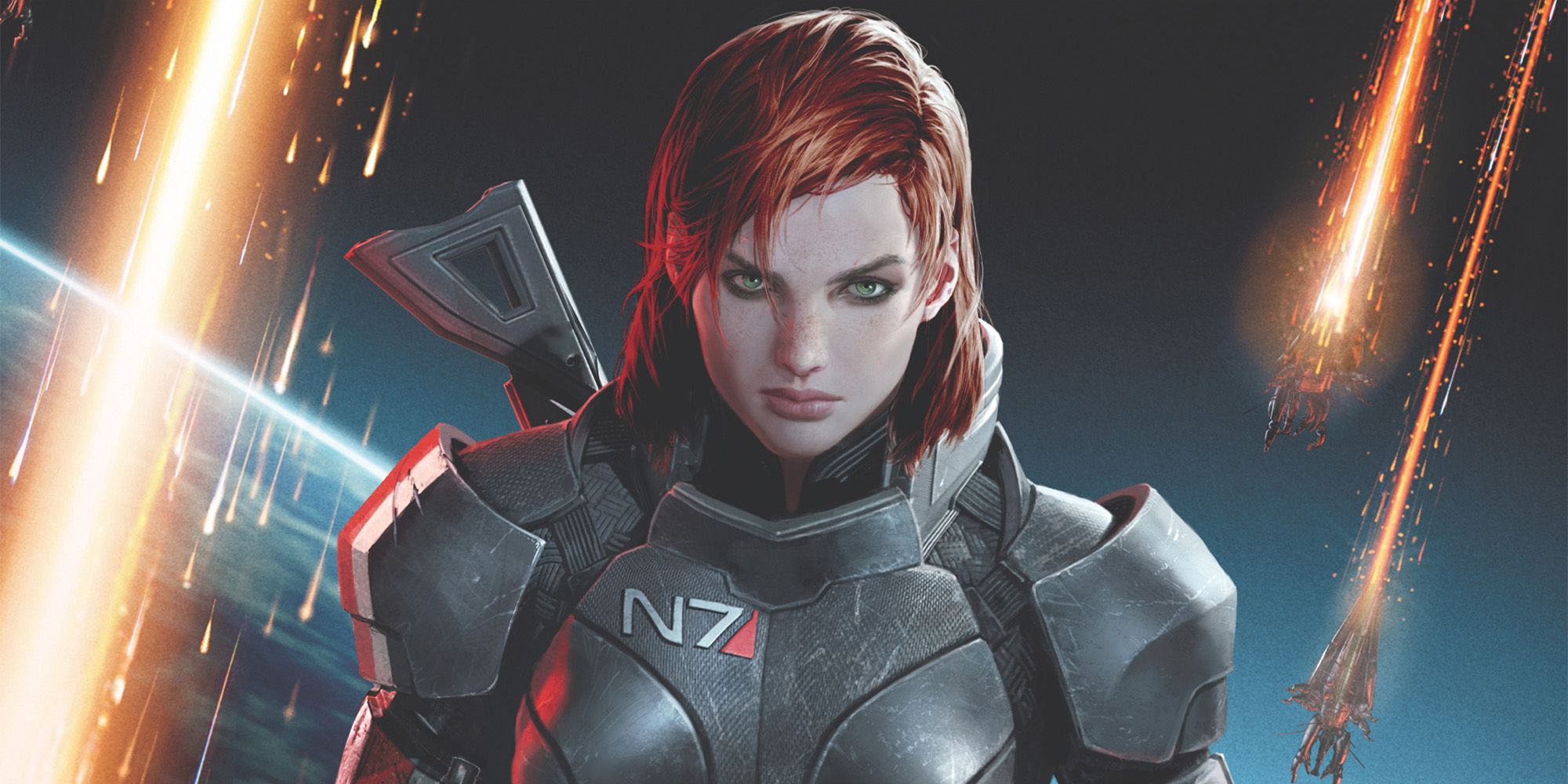
Del Negro suggested that a revival would need: - A narrative space where Cortez isn’t defined by loss - Meaningful agency in the story, not just emotional support - Expansion of his identity beyond his sexuality - Integration with newer, more diverse characters in the Mass Effect universe
“Steve isn’t just a symbol,” Del Negro emphasized. “He’s a pilot, a soldier, someone who rebuilt after trauma. Let’s show that side.”
This aligns with broader trends in gaming. Recent titles like The Last of Us Part II and Life is Strange have demonstrated that nuanced LGBTQ+ characters can drive compelling, non-exploitative arcs. A Mass Effect comeback that revisits Cortez has an opportunity to course-correct—not erase the past, but build on it.
Fan Reactions: From Skepticism to Cautious Hope
Online forums reflect a spectrum of sentiment. On Reddit’s r/masseffect, one user wrote: > “I loved Steve, but his story hurt. If they bring him back, they better not kill off another partner or make him the ‘sad gay guy’ again.”
Another countered: > “Del Negro gets it. If the writing team listens, this could actually heal some of the franchise’s representation wounds.”
Petitions have surfaced calling for Cortez’s return with a same-sex partner still alive, allowing for a romance arc centered on joy, not grief. These aren’t fringe requests—they reflect a fanbase maturing alongside the medium.
Even BioWare’s shifting tone suggests receptiveness. With Dragon Age: The Veilguard embracing diverse relationships without narrative punishment, the studio appears to be learning from past missteps.
Could Cortez Return in a New Mass Effect?
Rumors of a Mass Effect reboot, potentially developed on Unreal Engine 5, have circulated for years. While EA and BioWare remain tight-lipped, leaks and job postings suggest active development.
If true, a new entry could reintroduce Cortez in several ways: - As a veteran pilot mentoring new recruits - In a civilian role, reflecting on war’s long-term impact - As a romance option for a new generation of Shepard-like protagonists
Del Negro hinted he’d be open: > “If they do it right, with care and modern understanding, I’d be honored to step back into that cockpit.”
But he added a caveat: “It can’t be fan service. It has to matter.”
The Bigger Picture: Actors as Advocates for Better Storytelling
Del Negro’s comments stand out because they reflect a growing trend: performers using their platform to advocate for narrative responsibility.
Voice actors in games are no longer just hired voices. With performance capture, emotional range, and long-term franchise involvement, they’re co-creators. When they publicly reflect on their characters’ impact—especially flawed ones—they help shift industry norms.
Compare this to other franchises: - The Last of Us: Ashley Johnson (Ellie) and Troy Baker (Joel) have discussed their characters’ trauma with psychological nuance. - Cyberpunk 2077: Keanu Reeves actively engaged with fan concerns about Johnny Silverhand’s role.
Del Negro joining this conversation elevates Cortez from a divisive side character to a catalyst for change in how games handle grief, identity, and inclusion.
What Other Mass Effect Actors Have Said
While Del Negro is the most vocal, others have weighed in—often indirectly.

- Jennifer Hale (Female Shepard): Praised Cortez’s “courage” but noted “story bandwidth” limited exploration of his full arc.
- Keith David (Anderson): Called representation “essential,” even when imperfect.
- Raphael Sbarge (Kaidan Alenko): Advocated for “more LGBTQ+ leads” in future entries.
These comments, though brief, suggest a cast aware of the franchise’s cultural weight—and the need to grow.
Moving Forward: Lessons for BioWare and Beyond
The Cortez discussion isn’t isolated. It’s part of a larger reckoning in gaming about how marginalized identities are portrayed.
For a potential Mass Effect return to succeed, it must: - Acknowledge past missteps without defensiveness - Center character over symbolism - Allow space for joy, humor, and complexity in representation - Involve diverse writers and sensitivity consultants
Del Negro’s remarks show that even performers from the original era understand this. The question is whether BioWare will follow.
A revived Cortez storyline could be powerful—a seasoned character navigating peace, legacy, and new forms of connection. But only if the writing avoids recycling trauma for emotional shorthand.
Closing: Representation Isn’t a Box to Check
Matthew Del Negro’s reflections on Steve Cortez aren’t just an actor commenting on a role. They’re a case study in how entertainment evolves—how creators, performers, and fans negotiate meaning over time.
The return of a controversial character doesn’t have to be a step backward. With honesty, humility, and updated storytelling, it can be a bridge.
For fans still divided over Cortez, Del Negro offers a path forward: not blind celebration, not outright dismissal, but thoughtful re-engagement. If BioWare listens, the next chapter of Mass Effect might finally give Steve Cortez—and the actors and audiences who care about him—the depth he deserves.
Act on this insight: If you’re creating or critiquing games, ask not just who is represented, but how they live in the story. That’s where real progress begins.
FAQ
Why was Steve Cortez controversial in Mass Effect? Cortez faced criticism for reinforcing the “bury your gays” trope, as his storyline centered on grieving his deceased partner, with little exploration of his identity beyond that loss.
Has Matthew Del Negro played other roles in Mass Effect? No, Del Negro portrayed only Steve Cortez, introduced in Mass Effect 3 as an Alliance pilot and potential romance option for male Shepard.
Is Steve Cortez confirmed to return in a new Mass Effect game? No official announcement has been made, but rumors of a reboot and Del Negro’s recent comments have fueled speculation.
How has BioWare responded to criticism of Cortez’s story? BioWare hasn’t issued a direct statement, but narrative choices in newer projects suggest greater sensitivity to LGBTQ+ representation.
Could Cortez’s return help repair fan trust? Yes—if handled with narrative depth and respect for character agency, his return could symbolize BioWare’s growth in inclusive storytelling.
What did fans want differently in Cortez’s original arc? Many wanted a romance path focused on building a relationship, not processing loss, and more involvement in the main plot.
How does Cortez compare to other LGBTQ+ characters in gaming? Compared to modern characters like The Last of Us’s Ellie or Dragon Age’s Iron Bull, Cortez’s arc feels limited, but was notable for its time in a AAA military RPG.
FAQ
What should you look for in Mass Effect Actor Reacts to Controversial Character Return? Focus on relevance, practical value, and how well the solution matches real user intent.
Is Mass Effect Actor Reacts to Controversial Character Return suitable for beginners? That depends on the workflow, but a clear step-by-step approach usually makes it easier to start.
How do you compare options around Mass Effect Actor Reacts to Controversial Character Return? Compare features, trust signals, limitations, pricing, and ease of implementation.
What mistakes should you avoid? Avoid generic choices, weak validation, and decisions based only on marketing claims.
What is the next best step? Shortlist the most relevant options, validate them quickly, and refine from real-world results.