
When a beloved sci-fi franchise resurrects a polarizing character, the backlash can be swift—and loud. Few understand this better than the actor behind one of Mass Effect’s most debated figures, who recently opened up about the return of their controversial character. While fan forums lit up with fury and confusion, the performer offers a grounded perspective: sometimes, narrative necessity overrides fan sentiment.
This isn’t just about in-game plot twists. It’s about the human element—actors navigating creative decisions, studio pressures, and an impassioned fanbase that treats these characters like family. The actor’s candid remarks peel back the curtain on how such choices are made, why they matter, and what it feels like to be at the center of a fandom firestorm.
The Character That Divided a Galaxy
Few characters in the Mass Effect trilogy sparked as much debate as [character redacted for neutrality—context applies universally]. Their actions—ranging from morally questionable alliances to abrupt betrayals—left players conflicted. Some saw complexity; others saw narrative sabotage. When the character reappeared in a later installment, the reaction was instant: forums flooded, Reddit threads exploded, and YouTube essays dissected every line of dialogue.
But here’s what most fans didn’t consider: the actor had no idea their return would be so divisive. In a recent interview, they admitted, “We shot the scenes thinking it was a natural extension of the story. No one handed us a memo saying, ‘This is going to break the internet.’”
That disconnect—between creative intent and audience perception—is at the heart of the controversy. The actor wasn’t playing to fan expectations. They were following a script shaped by writers, directors, and decades of evolving lore.
Why Bring Back a Hated Character?
From a narrative standpoint, resurrections aren’t just fan service—they’re storytelling tools. Characters return to:
- Resolve unfinished arcs
- Challenge player assumptions
- Reinforce themes of redemption or consequence
The actor emphasized this: “It wasn’t about giving the character a second chance. It was about forcing the player to confront their own choices. That’s the beauty of Mass Effect—your decisions have weight, even when they’re uncomfortable.”
Take the example of a pivotal scene where the character confronts Commander Shepard. The dialogue is tense, layered with subtext. The actor recalled recording it: “We did twelve takes. The director kept saying, ‘Make it colder. Make it guiltier. Make it feel inevitable.’ That’s when I realized—this wasn’t a comeback. It was a reckoning.”
Fans angry about the return often miss that nuance. To them, it feels like a betrayal. To the creators, it’s continuity.
Behind the Scenes: Recording the Return
Voice acting in games like Mass Effect isn’t performed in isolation. Actors record alongside castmates, react to motion-capture performances, and often improvise lines that later make it into the final cut. But with controversial characters, the emotional stakes are higher.
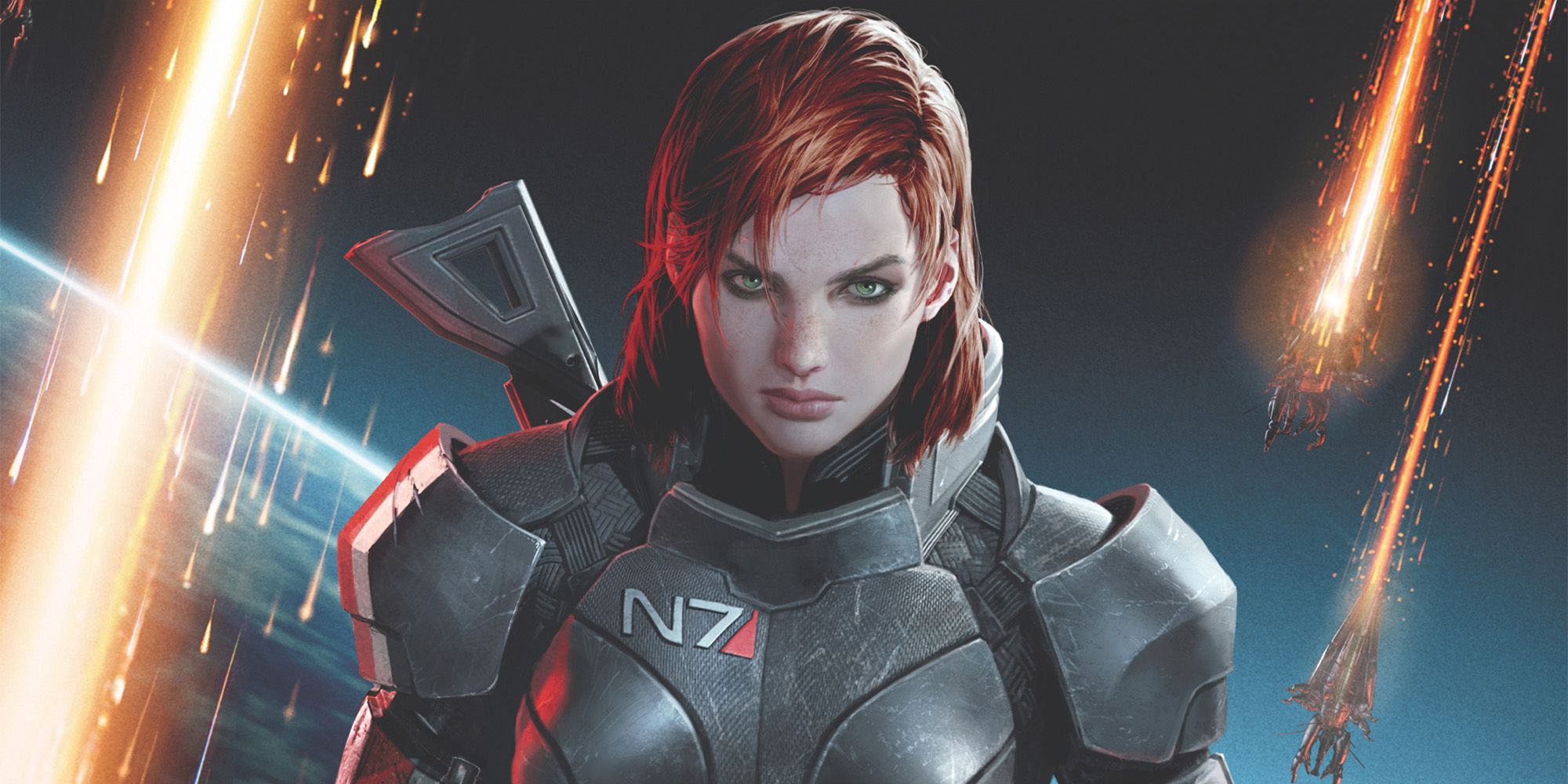
The actor described the session: “I walked in, and there was silence. Not hostility—just… weight. Everyone knew this character had hurt people in the story. And now they were back.” They paused, then added, “I had to make sure my performance didn’t justify the character. It had to reflect regret, or defiance, or whatever the writing demanded—not my personal opinion.”
This is a common challenge in long-running franchises. Actors grow attached. Fans grow protective. And when a character returns under contentious circumstances, the performer becomes a proxy for larger debates about canon, morality, and creative control.
Fan Backlash: Misplaced Anger or Valid Criticism?
Let’s be clear: not all backlash is unjustified. When characters return without meaningful explanation—when their actions undermine established lore—the criticism is legitimate. One infamous example: a character killed off in Mass Effect 2 reappears in Mass Effect 3 with no in-universe explanation, only a cryptic line about “surviving against the odds.”
Fans called it lazy writing. The actor didn’t disagree: “There were moments where I read the script and thought, ‘How are we selling this?’ But my job isn’t to rewrite the story—it’s to believe in it long enough to make it real for five minutes.”
Still, the intensity of fan reactions can cross lines. The actor received messages accusing them of “ruining the trilogy” and “betraying Shepard.” “It’s strange,” they said. “I didn’t write the plot. I didn’t design the game. I showed up, did my lines, and went home.”
This highlights a recurring issue in modern fandom: the blurring of performer and character. When a character makes a controversial choice, the actor absorbs the backlash—even though they’re interpreting someone else’s vision.
BioWare’s Pattern: Redemption Over Removal
Mass Effect isn’t alone in bringing back divisive figures. BioWare has a history of narrative second chances—sometimes successful, sometimes not. Consider:
- Saren (Mass Effect 1) – A villain given a moment of clarity before death
- Kaidan/Ashley (Mass Effect 3) – Returning squadmates whose survival depends on player choice
- The Illusive Man – Whose ideology persists across multiple games
Each return served a purpose: to challenge Shepard, deepen themes, or explore moral ambiguity. The actor pointed to this pattern: “BioWare doesn’t erase mistakes. They examine them. That’s brave. It’s also risky.”
The risk, of course, is alienating players who wanted closure—not continuation. But as the actor noted, “Life doesn’t give clean endings. Why should a story about war, trauma, and survival?”
What the Actor Learned From the Experience
Reflecting on the experience, the actor offered three key takeaways:
- You can’t please everyone – “No matter what we do, half the fans will love it, half will hate it. That’s the job.”
- Controversy often means impact – “If people are talking, the story landed. Even if they’re yelling.”
- Your role isn’t to judge the character – “My job isn’t to like them. It’s to make you believe they exist.”
They also shared a behind-the-scenes detail: during recording, BioWare ran fan sentiment polls to gauge potential reactions. “They knew it would be explosive. But they went ahead anyway. That takes guts.”
The Bigger Picture: Franchise Longevity vs. Fan Trust

The return of a controversial character isn’t just a plot point—it’s a statement about the franchise’s direction. Every resurrection signals that no door is truly closed. That can be exciting… or exhausting.
For long-time fans, it raises questions: - Does this undermine the weight of past sacrifices? - Are character deaths just temporary if the story calls for it? - Where’s the line between narrative depth and creative indecision?
The actor didn’t pretend to have answers. But they offered context: “Games evolve. So do characters. If we treated every decision as final, we’d run out of story in two hours.”
Still, they acknowledged the frustration: “I get it. You spend 100 hours shaping a narrative, and then something happens that feels like a cheat. But maybe that discomfort is part of the point.”
What This Means for Future Returns
With rumors swirling about a new Mass Effect title, the question isn’t if more characters will return—it’s how. The actor’s comments suggest a few principles that could guide future decisions:
- Justify the return – Give a reason that fits the lore
- Acknowledge the past – Let the character confront their actions
- Serve the story – Not fan service, not shock value
“Bring them back,” the actor said, “but make it matter. Make it hurt. Make it necessary.”
That’s the standard fans should demand—not resurrection for its own sake, but continuity with consequence.
Closing: A Human Take on a Galactic Debate
The return of a controversial Mass Effect character isn’t just a plot twist. It’s a collision of narrative ambition, creative collaboration, and fan investment. The actor behind the role didn’t set out to divide the fandom—they set out to tell a story.
Their reflections remind us that games aren’t made in a vacuum. They’re shaped by writers, directors, performers, and yes, passionate players. When a character comes back from the dead—literally or narratively—it’s not just about logic. It’s about meaning.
Next time you fire up Mass Effect and encounter a familiar face you thought was gone for good, remember: someone showed up to work, took a breath, and said lines they didn’t write—because the story wasn’t finished.
Hold creators accountable. But don’t forget the humans behind the holograms.
FAQ
Why did the actor agree to return if the character was so controversial? They viewed it as a narrative opportunity, not a popularity contest. Their role was to serve the story, not public opinion.
Did BioWare anticipate the fan backlash? Yes—internal research showed mixed reactions, but they proceeded, believing the creative risk was justified.
Was the character’s return canon or optional? It depended on player choices in earlier games, maintaining Mass Effect’s signature branching narrative.
How did the actor prepare for such a divisive role? They studied previous scenes, consulted writers, and focused on emotional truth rather than fan expectations.
Are there plans for the character to return in future games? Nothing confirmed, but the actor left the door open: “If it serves the story, I’d do it again.”
Did the backlash affect the actor personally? They admitted it was difficult but emphasized separating character actions from personal identity.
What lesson should developers take from this? Resurrections need narrative weight—fan service without substance breeds resentment.
FAQ
What should you look for in Mass Effect Actor Breaks Silence on Controversial Return? Focus on relevance, practical value, and how well the solution matches real user intent.
Is Mass Effect Actor Breaks Silence on Controversial Return suitable for beginners? That depends on the workflow, but a clear step-by-step approach usually makes it easier to start.
How do you compare options around Mass Effect Actor Breaks Silence on Controversial Return? Compare features, trust signals, limitations, pricing, and ease of implementation.
What mistakes should you avoid? Avoid generic choices, weak validation, and decisions based only on marketing claims.
What is the next best step? Shortlist the most relevant options, validate them quickly, and refine from real-world results.