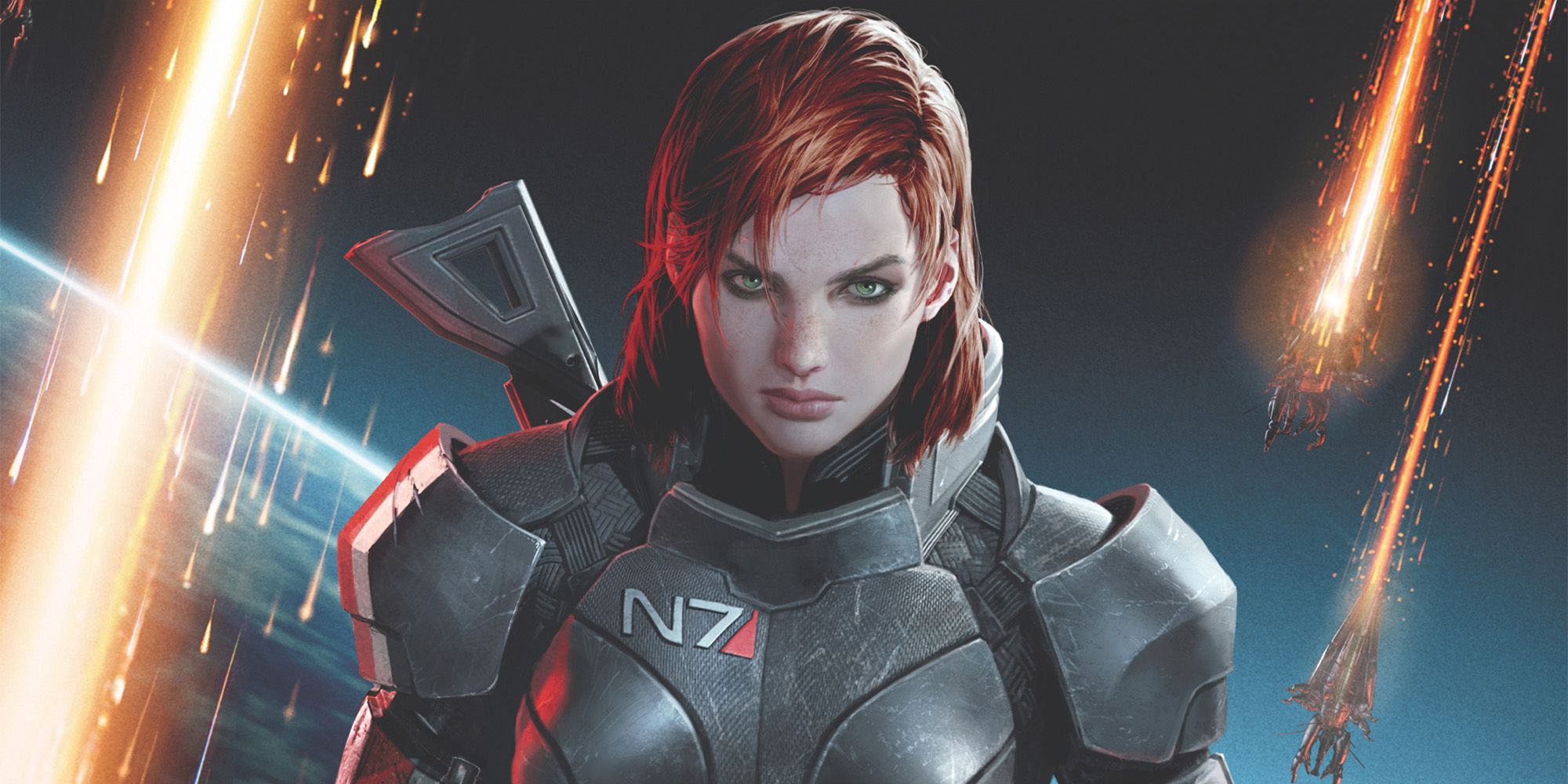
Few characters in the Mass Effect universe have sparked as much debate as Kai Leng. Reviled by fans for his writing, combat role, and perceived narrative intrusion, he became a symbol of what some saw as Bioware’s missteps during the trilogy’s final chapter. Now, years after the franchise’s peak, actor Troy Baker—known for voicing and motion-capturing Leng—has opened up about the character, fan backlash, and whether he’d return if called.
His comments cut through years of silence, offering rare insight into how performers navigate polarizing roles in beloved franchises.
Why Kai Leng Became a Focal Point of Fan Anger
Kai Leng wasn’t just disliked—he was personified as a problem. Introduced in Mass Effect 3 and expanded in the Mass Effect: Homeworlds comics, Leng served as a Cerberus operative and direct foil to Commander Shepard. On paper, the concept made sense: a human antagonist with cybernetic enhancements, ideological opposition, and personal stakes.
But execution unraveled perception.
Fans criticized Leng’s narrative role: defeating Shepard in key missions, surviving impossible odds, and receiving what many saw as disproportionate focus. Worse, his combat encounters felt unbalanced—particularly the infamous “button-mashing” fight on Rannoch that stripped player agency.
More than gameplay, it was tone. In a galaxy filled with krogan warlords, rogue AIs, and ancient Reapers, Leng felt small. Personal. Almost petty. That clash—epic stakes versus a corporate assassin—made him a lightning rod.
And Troy Baker, a voice acting powerhouse (The Last of Us, BioShock Infinite, Death Stranding), became the face of that frustration.
Troy Baker’s Candid Response to the Backlash
In a 2023 interview with GameInformer, Baker addressed Leng directly:
“I knew going in that Kai Leng was going to be… complicated. I didn’t expect the kind of vitriol, though. People weren’t just criticizing the character—they were sending me messages like I’d personally ruined their childhood.”
He didn’t deflect. Instead, he acknowledged the emotional investment fans had in Mass Effect and the betrayal they felt when narrative choices clashed with expectations.
But Baker also defended the creative process. “We weren’t trying to make a fan favorite. We were trying to serve a story about Cerberus’s descent and the cost of human extremism. Leng was a tool for that.”
He added: “If Bioware called tomorrow and said, ‘Come back for the new game,’ I’d do it in a heartbeat. Not because I think Leng was perfect—but because he’s interesting. And isn’t that what storytelling’s about?”
That nuance—acceptance of criticism, pride in craft, openness to return—resonated with many who’d written him off as indifferent.
What Actor Insights Reveal About Controversial Roles
Baker’s stance highlights a broader truth in game development: actors often have limited control over final narrative outcomes.
Voice and performance capture artists deliver lines and movements based on scripts and direction. They don’t design boss fights or balance skill trees. Yet, they become associated with every flaw.
Consider other controversial characters: - Javik (the Prothean): Loved by some, criticized by others for tone and late introduction. - Admiral Kohaku: A minor character whose brief appearance sparked debate over representation.
But only Leng drew sustained ire—and Baker, as his voice, absorbed much of it.
His response offers a model for how performers can engage with backlash: with humility, context, and a refusal to disown their work.
Could Kai Leng Return in a New Mass Effect Game?
Rumors of a new Mass Effect entry have circulated for years. EA and Bioware have confirmed development, though details remain scarce. If the series revisits the Milky Way decades after the original trilogy, legacy characters—both beloved and reviled—could return.
Would Kai Leng fit?
Narratively, yes. Cerberus’s remnants, cybernetic enhancements, and human exceptionalism are all fertile ground. Leng could serve as a tragic figure: a man rebuilt for war, now struggling in a post-Reaper world. Or, he could be reimagined as a corrupted AI hybrid, echoing the very machines Shepard fought.
But fan resistance remains a hurdle.
Baker’s willingness to return suggests Bioware could lean into the controversy. Imagine a mission where Shepard (or a new protagonist) confronts Leng not with violence—but with dialogue. Redemption? Reckoning? Even a self-aware joke: “I know what they say about me. But I’m still here.”
That kind of meta-awareness could disarm critics and reframe Leng’s legacy.
Fan Reactions to Baker’s Comments: Divided but Thoughtful
The gaming community hasn’t rallied unanimously around Baker’s statements. Reddit threads and Twitter polls show a split:
- Supporters praise his honesty and professionalism. “He did the job he was hired for,” one user wrote. “Blaming him is like blaming the storm for the flood.”
- Critics argue that actors in triple-A games earn high pay and visibility—they must accept accountability for roles that damage a franchise’s legacy.
- A middle group suggests Leng could be redeemed if handled with care. “Give him depth. Trauma. Regret. Not another cutscene where he stabs someone and vanishes.”
One particularly telling comment: “I hate Kai Leng. But I respect Troy Baker. Now I’m conflicted.”
That tension—between character and performer—is at the heart of modern game fandom.
Lessons for Developers and Performers Alike
The Leng controversy, and Baker’s response, offer actionable insights:

For Game Studios: - Test narrative impact early. Leng’s role felt forced because it disrupted established power dynamics. Playtesting should include story coherence, not just mechanics. - Manage expectations. Positioning Leng as a major antagonist without sufficient setup bred resentment. Foreshadowing matters. - Own the backlash. Bioware’s silence on Leng amplified fan frustration. A post-launch dev blog could have clarified intent.
For Voice Actors: - Separate performance from perception. You can be proud of your work without defending every creative choice. - Engage thoughtfully. Baker didn’t mock fans or justify every decision. He listened—and that built empathy. - Stay open to evolution. Characters can grow across games. So can audience reception.
The Bigger Picture: Controversy as a Sign of Investment
Love him or hate him, Kai Leng still sparks conversation nearly a decade later. That’s not failure—it’s evidence of cultural impact.
Few forgotten characters generate interviews, think pieces, or return speculation. Leng does. Even his worst critics engage with his legacy.
And Baker’s openness about returning hints at a mature understanding of storytelling: not every character needs to be liked. Some exist to challenge, frustrate, or polarize.
In that light, Kai Leng succeeded.
Whether he reappears in the next Mass Effect entry remains to be seen. But if he does, one thing’s clear: Troy Baker is ready. And this time, the conversation might finally evolve beyond rage into something more nuanced—reflection.
FAQ Why do fans dislike Kai Leng so much? Fans criticize his overpowered combat encounters, lack of screen time, and role in defeating Commander Shepard in key missions, which felt narratively unsatisfying.
Did Troy Baker enjoy playing Kai Leng? Yes. Despite fan backlash, Baker has expressed pride in the performance and remains open to returning to the role.
Is Kai Leng confirmed to return in the next Mass Effect game? No. There’s no official confirmation, but rumors suggest the new game may explore Cerberus remnants, leaving room for his return.
Could Kai Leng be redeemed in a future game? Narratively, yes. He could be reimagined as a tragic figure grappling with his past, offering a chance for redemption or deeper exploration.
Was Troy Baker involved in writing Kai Leng’s character? No. Like most voice actors, he interpreted the script provided by Bioware and had no input on story or design decisions.
How did Bioware respond to criticism of Kai Leng? Bioware has largely stayed silent, though some developers have privately acknowledged the character’s divisive reception in interviews.
Should controversial characters like Leng be recast or rewritten? Not necessarily. With thoughtful writing, even reviled characters can be recontextualized—offering richer storytelling opportunities.
FAQ
What should you look for in Mass Effect Actor Breaks Silence on Controversial Character Return? Focus on relevance, practical value, and how well the solution matches real user intent.
Is Mass Effect Actor Breaks Silence on Controversial Character Return suitable for beginners? That depends on the workflow, but a clear step-by-step approach usually makes it easier to start.
How do you compare options around Mass Effect Actor Breaks Silence on Controversial Character Return? Compare features, trust signals, limitations, pricing, and ease of implementation.
What mistakes should you avoid? Avoid generic choices, weak validation, and decisions based only on marketing claims.
What is the next best step? Shortlist the most relevant options, validate them quickly, and refine from real-world results.