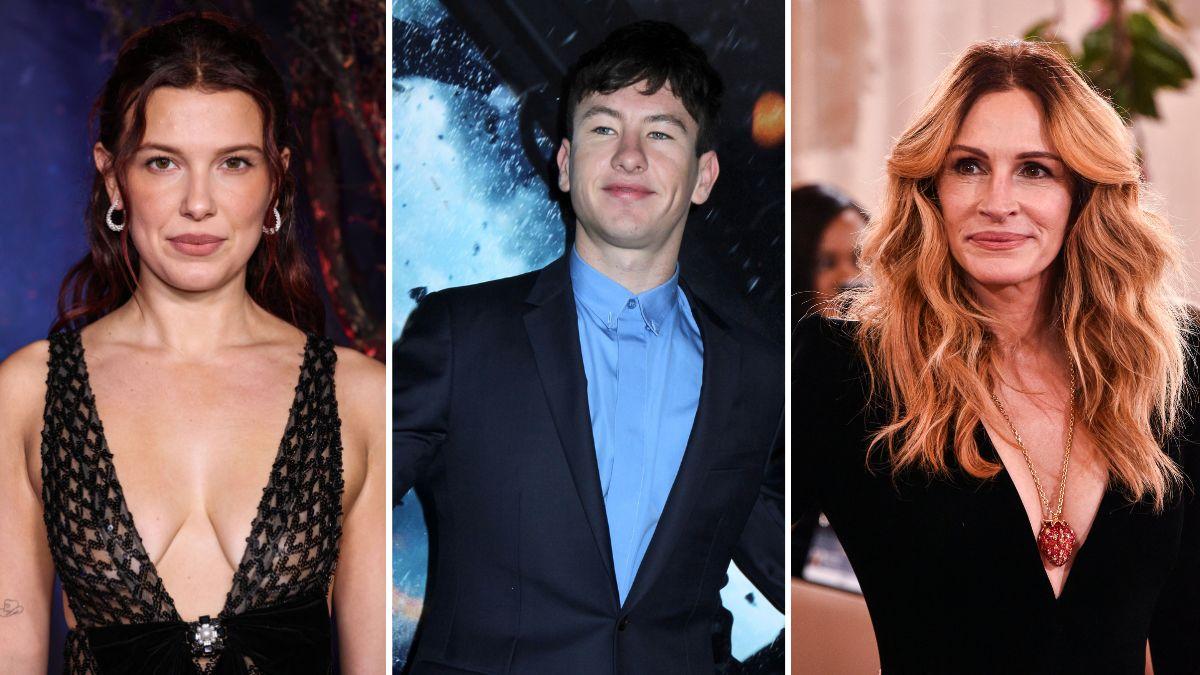
The flash of paparazzi bulbs, the roar of premiere crowds, the gold-plated trophies—Hollywood fame promises glory. But behind the veneer, a darker reality festers: a relentless, often vicious campaign of appearance-based trolling that’s pushed some of the world’s biggest stars to the edge.
This isn’t just about a mean tweet or two. We’re talking about sustained, dehumanizing online abuse—comments dissecting noses, skin tones, weight, aging, and facial structure with surgical cruelty. And increasingly, A-listers are breaking their silence, not to defend themselves, but to expose the psychological toll of being globally scrutinized and mocked for how they look.
The digital age hasn’t just amplified celebrity culture—it’s weaponized it.
The Anatomy of a Hollywood Troll Attack
Trolling in Hollywood has evolved from tabloid snark to coordinated cyber harassment. Unlike traditional criticism, modern trolling is often anonymous, repetitive, and rooted in appearance-shaming that crosses into psychological warfare.
Consider the case of Lupita Nyong’o. After being named People’s Most Beautiful in 2014, racist trolls flooded social media with memes mocking her dark skin, calling her “monkey” and “ugly.” In interviews since, she’s spoken about the emotional toll, saying she had to consciously “armor” herself against the ugliness.
Or take Chris Hemsworth. After stepping away from the Thor role due to health concerns, trolls accused him of “letting himself go,” posting side-by-side images of his past muscular physique versus current, more relaxed build. The message? Even global heartthrobs aren’t safe from body scrutiny.
These aren’t isolated incidents. They’re symptoms of a culture where beauty is policed with algorithmic efficiency.
What Makes Hollywood Trolling So Damaging? - Scale: A single tweet can reach millions in minutes. - Anonymity: Trolls hide behind fake accounts, emboldening cruelty. - Permanence: Screenshots and memes live forever. - Public vs. Private: Celebrities are expected to “take the heat,” making it harder to speak up.
The result? Many stars report anxiety, depression, and even disordered eating—not from personal insecurity, but from the unrelenting echo chamber of online hate.
A-Listers Who Broke the Silence When stars of this magnitude speak out, it shifts the narrative. They’re not just victims—they’re catalysts for conversation.
Scarlett Johansson: “I’ve Been Called Ugly My Whole Life”
In a candid 2023 interview, Johansson revealed that even at the peak of her career, she’s been bombarded with comments about her “weird” features—her forehead, lips, and voice all frequent targets.
“I’ve had people say I look like a horse,” she admitted. “And sure, you laugh it off at first. But when it’s constant? It starts to seep in.”
Her story underscores a key issue: the more successful a woman becomes, the more her appearance is dissected.
Shia LaBeouf: From Trauma to Trolling
LaBeouf, known for his raw emotional disclosures, has linked online bullying to deeper trauma. After a viral meltdown during a live interview, trolls dissected his appearance—his crooked teeth, disheveled hair, and gaunt face—turning mental health struggles into meme fodder.
In rehab, he reportedly told counselors, “They don’t see a person. They see a joke.”
His case illustrates how trolling often conflates mental health with physical imperfection, creating a double stigma.
Lizzo: Fighting Back
with Confidence
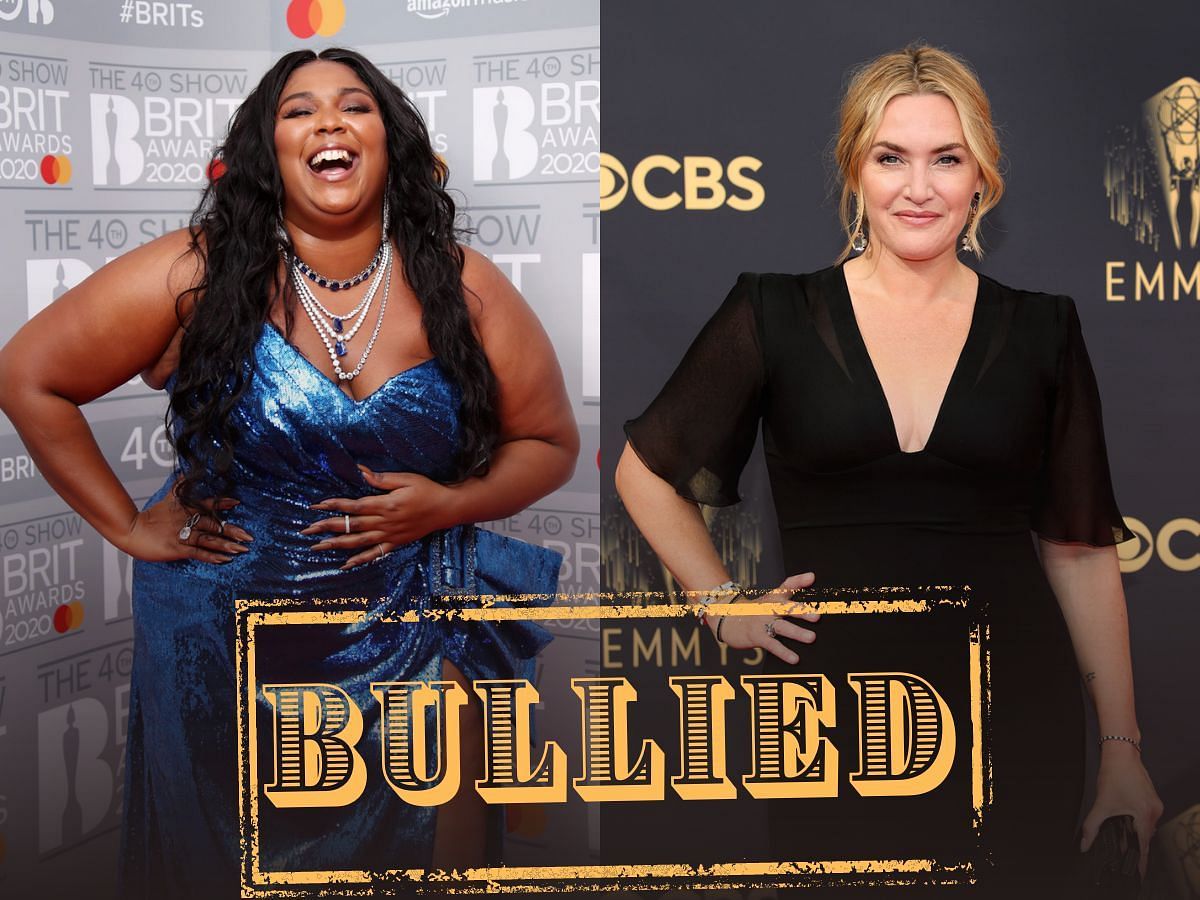
Few have responded to trolling with more ferocity than Lizzo. When critics attacked her weight—calling her “unhealthy” or “a bad role model”—she weaponized visibility.
She posted unretouched photos, danced in lingerie on Instagram, and called out body-shaming directly: “If I’m ‘too big,’ then your eyes are too small.”
Still, she’s admitted the pain is real. “I cry sometimes,” she said on The Jennifer Hudson Show. “I’m human. But I refuse to let them win.”
The Role of Social Media Platforms and Algorithms
No conversation about modern trolling is complete without examining the platforms that enable it.
Instagram, X (formerly Twitter), and TikTok are the primary battlegrounds. Algorithms favor engagement—especially outrage—meaning a vicious comment can get more visibility than a supportive one.
Worse, AI-driven content recommendation systems often push “celebrity face fail” or “before and after aging” compilations, turning human beings into punchlines.
Real-world consequence: A 2022 study by the Center for Countering Digital Hate found that posts mocking celebrity appearances generated 3x more engagement than neutral celebrity news.
And while platforms claim to combat harassment, reporting tools are often ineffective. A celebrity’s team may report hundreds of abusive accounts—only to see them reappear under new usernames within hours.
The Hidden Cost: Mental Health in the Spotlight
You don’t have to be famous to understand the sting of insecurity. But for A-listers, the stakes are higher—and the support systems, paradoxically, weaker.
Many avoid therapy for fear of leaks. Others fear that admitting to being affected by trolling will make them seem “weak” or “unable to handle fame.”
Common psychological impacts reported by celebrities: - Chronic anxiety around public appearances - Avoidance of photos or mirrors - Social withdrawal - Substance use as coping mechanism - Identity erosion (“Am I just my face?”)
Take Renee Zellweger’s long-standing struggle with body image. After Bridget Jones’s Diary made her a star, every pound gained or lost was tabloid fodder. She eventually stepped away from acting for years, later citing the pressure to maintain an impossible standard.
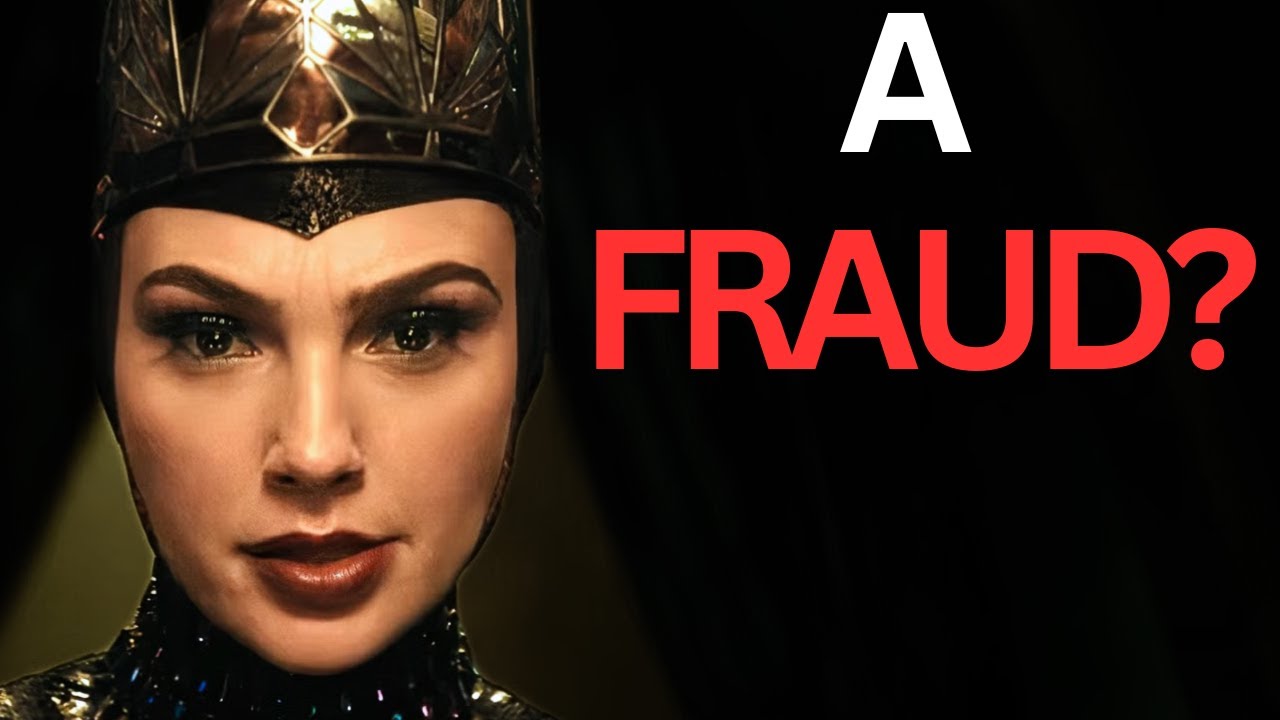
“It wasn’t just the media,” she said. “It was the collective gaze. You feel like you’re being judged every second.”
How the Industry Enables the Abuse
Trolling isn’t just a social media problem—it’s a systemic one.
For decades, Hollywood has profited from beauty standards that are narrow, exclusionary, and often racist or sexist. Castings favor youthful, Eurocentric features. Plastic surgery is quietly encouraged. Aging women are sidelined.
Then, when stars inevitably change—gain weight, grow older, embrace natural features—the same industry turns on them.
Case in point: The backlash against Margot Robbie for not “looking like Barbie” in the 2023 film. Despite being cast as the character, fans and trolls alike criticized her nose, chin, and body, as if she’d failed a beauty audit.
The irony? The movie’s plot critiques unrealistic beauty standards. Yet audiences still policed the lead actress’s appearance.
This duality—celebrating diversity while punishing deviation—is at the heart of the problem.
Can Anything Change?
Yes—but not without structural shifts.
What’s Working:
- Celebrities going public: Each revelation chips away at the stigma.
- Stronger fan communities: Many fans now flood negative comments with support.
- Legal action: Some stars, like Millie Bobby Brown, have sued troll farms for defamation.
What’s Still Broken:
- Platform accountability: Social media companies face little consequence for enabling abuse.
- Lack of mental health resources: Studios rarely provide psychological support for harassment.
- Cultural obsession with perfection: Until we stop treating faces like products, trolling will persist.
- Actionable steps for change:
- Celebs: Keep speaking up—your voice normalizes the pain.
- Fans: Report abuse, don’t engage, amplify positive narratives.
- Platforms: Invest in better AI moderation and faster response times.
- Media: Stop running stories like “What Happened to [Celebrity’s Face]?”
The Bigger Picture: A Culture of Cruelty
Hollywood trolling isn’t just about stars. It reflects how we treat anyone who dares to be visible.
Every time we laugh at a “celebrity blooper” reel or scroll through a “who wore it better” post, we participate in a hierarchy of worth based on looks.
The A-listers speaking out aren’t asking for pity. They’re issuing a warning: if this can happen to people with wealth, fame, and teams of publicists, imagine what it’s like for ordinary people facing the same abuse.
Their stories aren’t outliers. They’re mirrors.
Closing: Beyond the Headlines
The next time you see a headline mocking a celebrity’s appearance, pause. Ask yourself: who benefits from this narrative?
Because behind every photo, every red carpet, every meme, there’s a human being—someone who bleeds, doubts, and dreams, just like you.
The trolls want us to look away. The stars asking for empathy want us to look closer.
Choose the latter.
Frequently Asked Questions
Why do celebrities care about online comments? Even public figures have emotional limits. Constant, dehumanizing attacks—especially about appearance—can lead to anxiety, depression, and long-term mental health struggles.
Can celebrities sue trolls? Yes, but it’s complex. Many trolls use fake accounts or reside in different countries. However, some, like Millie Bobby Brown, have successfully sued for defamation.
Is appearance-based trolling illegal? Not always. While severe harassment or threats are prosecutable, insults about looks often fall under free speech. This legal gray area protects trolls.
Do studios support actors facing online abuse? Rarely. Most rely on publicists to manage damage, not therapists. Mental health support is still stigmatized in the industry.
How can fans help stop celebrity trolling? Report abusive comments, avoid engaging with hate posts, and amplify positive messages. Online culture shifts when communities refuse to tolerate cruelty.
Are some celebrities more targeted than others? Yes. Women, people of color, LGBTQ+ stars, and those who defy traditional beauty norms face disproportionate abuse.
Has trolling always existed in Hollywood? Yes, but not at this scale. Pre-social media, criticism was limited to print and TV. Now, millions can attack instantly—and anonymously.
FAQ
What should you look for in Hollywood Trolling Horror: A-Listers Expose Relentless Beauty Bullying? Focus on relevance, practical value, and how well the solution matches real user intent.
Is Hollywood Trolling Horror: A-Listers Expose Relentless Beauty Bullying suitable for beginners? That depends on the workflow, but a clear step-by-step approach usually makes it easier to start.
How do you compare options around Hollywood Trolling Horror: A-Listers Expose Relentless Beauty Bullying? Compare features, trust signals, limitations, pricing, and ease of implementation.
What mistakes should you avoid? Avoid generic choices, weak validation, and decisions based only on marketing claims.
What is the next best step? Shortlist the most relevant options, validate them quickly, and refine from real-world results.